U.S. Imposes Travel Restrictions on Nigeria: What Nigerians Need to Know
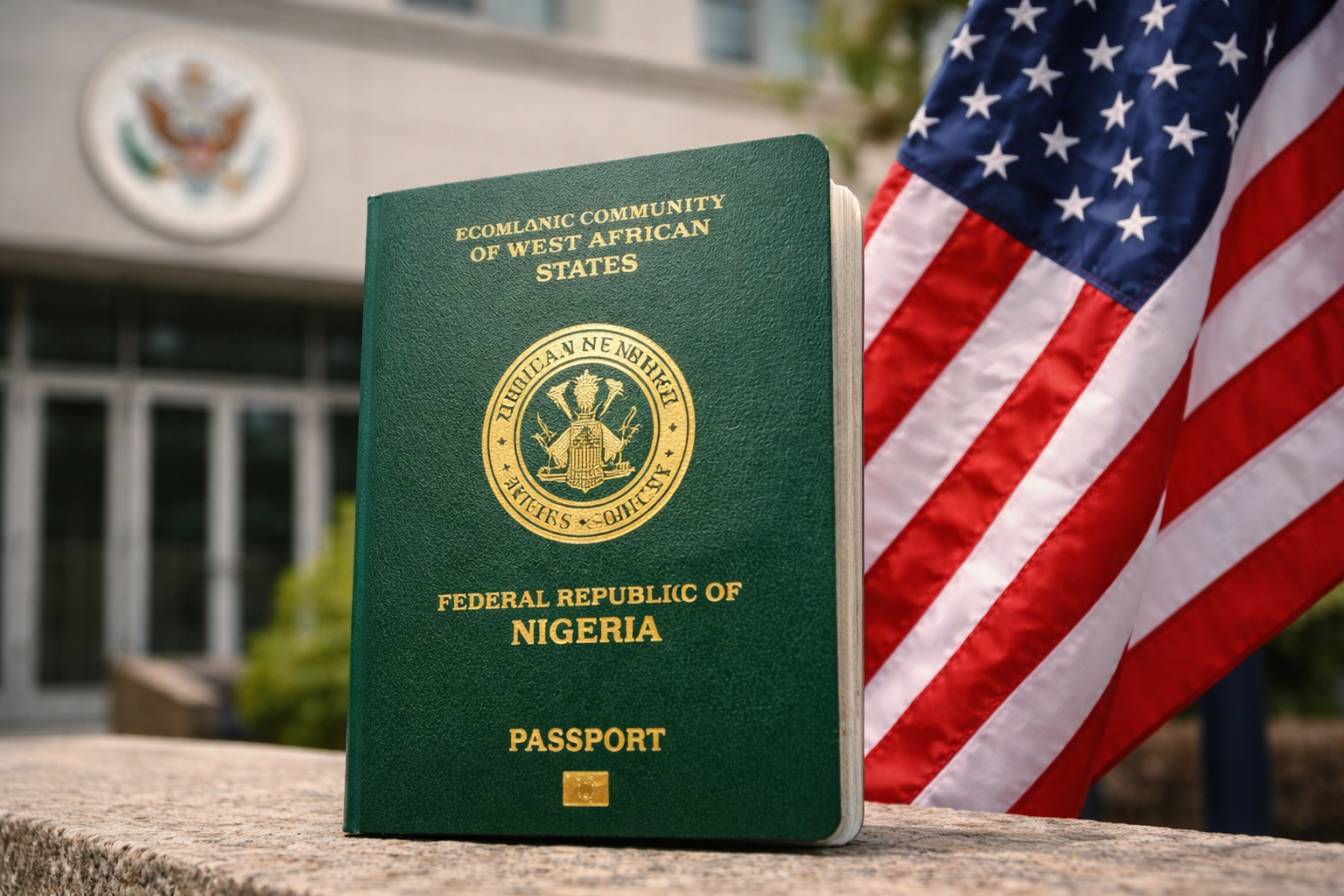
The United States has imposed new travel restrictions on Nigeria, affecting several visa categories used by Nigerians for education, tourism, business, and exchange programs. The announcement has generated widespread concern, especially among students and professionals planning travel to the U.S.
This article explains the latest U.S. travel restrictions on Nigeria, who is affected, when it begins, and what it means for Nigerians at home and abroad.
Why the U.S. Placed Travel Restrictions on Nigeria
U.S. authorities say the decision is linked to immigration compliance and security concerns. According to official statements, the key reasons include:
- Challenges in identity verification and vetting
- Rising visa overstay rates
- Ongoing security issues in parts of Nigeria
The U.S. government maintains that these factors affect its ability to enforce immigration laws effectively.
List of Nigerian Visa Categories Affected
The travel restrictions affect Nigerians applying for or using the following visas:
- B-1 – Business visa
- B-2 – Tourist visa
- B-1/B-2 – Business and tourism visa
- F – Academic student visa
- M – Vocational student visa
- J – Exchange visitor visa
These categories account for a large portion of Nigerian travel to the United States.
INTERNATIONAL ENGLISH LANGUAGE TESTING SYSTEM IELTS
When Will the U.S. Travel Restrictions Start?
The policy was announced in December 2025 and is expected to take effect from January 1, 2026. Nigerians planning travel under the affected visa categories may face denial of entry once enforcement begins.
Who Is Exempted From the Travel Restrictions?
The restrictions are partial, not a total ban. Exemptions include:
- U.S. permanent residents (Green Card holders)
- Diplomats and official government travelers
- Certain humanitarian and special visa cases
However, final entry decisions remain at the discretion of U.S. Customs and Border Protection.
Other Countries on the U.S. Travel Restriction List
Nigeria is among 15 countries facing partial travel restrictions. The move suggests a broader U.S. immigration policy review rather than an action directed at Nigeria alone.
Impact of the U.S. Travel Restrictions on Nigerians
The policy could have significant consequences, including:
- Reduced access to U.S. education opportunities
- Disruption of business and professional travel
- Fewer family visits
- Possible effects on diaspora remittances
- Increased diplomatic pressure between Nigeria and the U.S.
Education consultants and immigration experts warn that Nigerian students may be the most affected group.
What Nigerians Should Do Now
- Monitor official updates from the U.S. Embassy
- Seek advice from licensed immigration consultants
- Avoid making non-refundable travel plans
- Stay informed through trusted news platforms
Conclusion
The U.S. travel restrictions on Nigeria mark a major development in international travel and immigration policy. While not a total ban, the restrictions affect key visa categories and could reshape travel, education, and business ties between Nigeria and the United States.
For timely updates, breaking news, and simplified explanations of global issues, visit www.abouteverything.com.ng.