Newly Proposed Salary Structure for the Nigerian Military (2025): What You Must Know
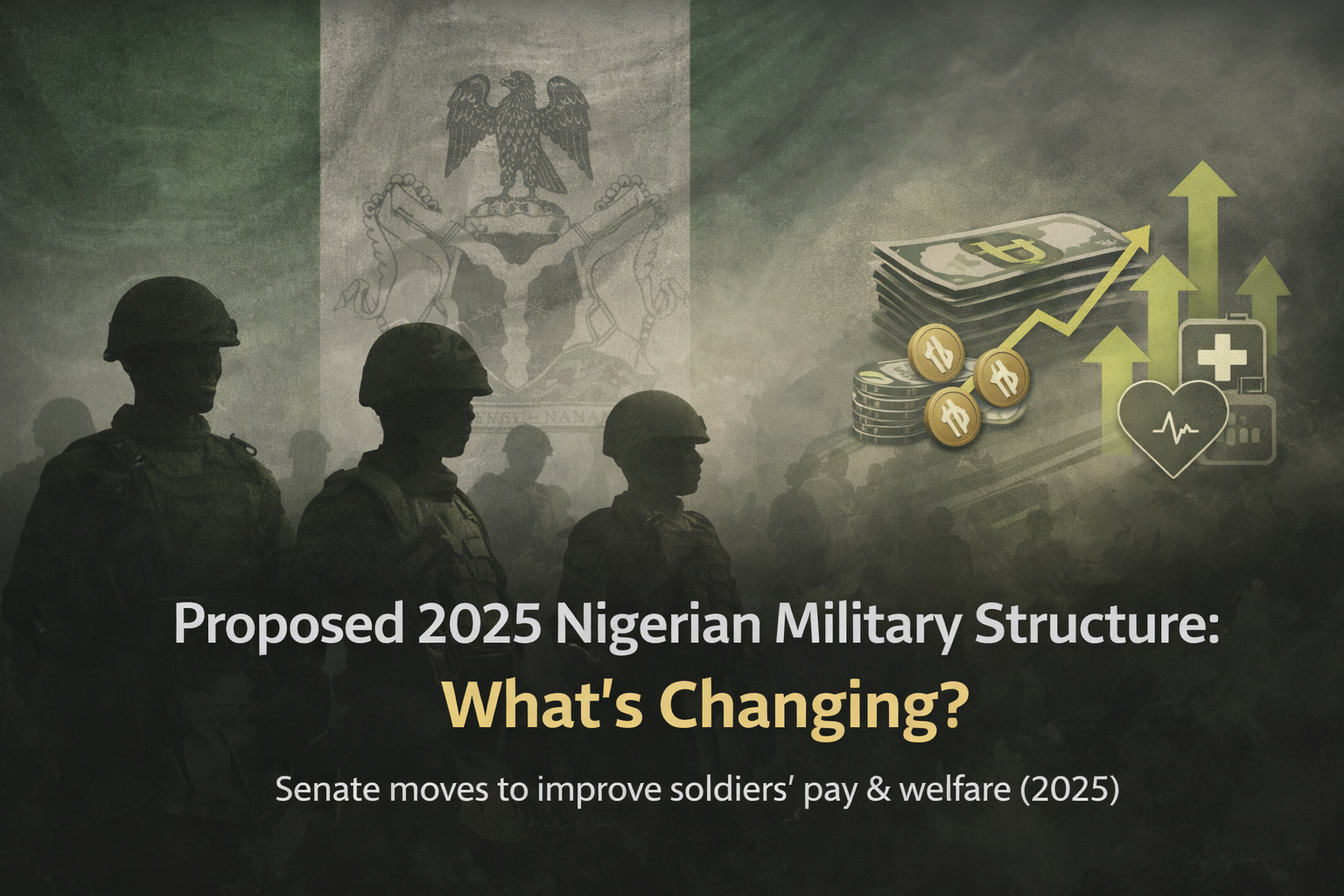
The Nigerian military salary structure is once again under the spotlight as lawmakers push for a significant overhaul of troop pay and welfare. This topic has attracted widespread national interest — particularly given rising inflation and the demanding roles servicemen and women play across Nigeria’s security landscape.
Below, you’ll find a detailed, easy-to-read breakdown of the new salary structure proposals, key debates in the National Assembly, and why this matters to millions of Nigerians and military families.
Why the Push for a New Military Salary Structure?
First and foremost, the proposal stems from deep concern about the current remuneration of Nigerian soldiers and other armed forces personnel. Critics argue that:
- The entry-level salary (between ₦50,000 and ₦60,000 per month) for junior ranks is inadequate given Nigeria’s current cost of living.
- Rising inflation and stubborn economic challenges have eroded the real value of soldiers’ wages.
- Morale, recruitment, and retention of military personnel are being negatively affected.
As a result, the Senate of Nigeria has stepped in to consider a motion titled “Urgent Need to Increase the Minimum Wage and Improve Conditions of Service for Members of the Nigerian Armed Forces and Other Security Agencies”.
Key Highlights of the New Proposal
- Upward Review of Minimum Wage for Soldiers
The motion — sponsored by Senator Ali Ndume — calls for a substantial increase in the minimum wage and the general salary structure of military personnel.
This proposed revision intends to:
- Bring military pay closer to international standards observed in other African nations.
- Ensure that basic salaries fairly reflect the risks, sacrifices, and responsibilities borne by Nigerian troops.
- Improve overall morale and reduce financial hardship among servicemen and women.
- International Pay Comparisons
While Nigeria’s entry-level soldiers earn relatively low pay, comparisons with other nations show stark contrasts:
- In Ghana, junior enlisted personnel earn around the equivalent of ₦180,000 per month.
- In South Africa, basic enlisted pay starts near ₦250,000 monthly.
- In Egypt and Kenya, entry wages range from approximately ₦200,000 to ₦280,000 (excluding allowances).
These figures underscore the urgency behind the push for restructuring Nigeria’s military pay system.
- Broader Welfare and Salary Review
In addition to higher base pay, the motion urges authorities to:
- Set up periodic salary reviews — ideally every three years — to keep pace with inflation.
- Collaborate with relevant federal agencies to determine realistic remuneration benchmarks for all ranks.
- Improve allowances, benefits, and working conditions across the armed forces.
If adopted, these changes could go beyond base salary to reform Nigeria’s entire military pay framework.
What This Means for Military Families and Nigeria’s Security
For many Nigerians, especially service members and their dependents, the proposed salary reform could lead to:
- Better financial stability and reduced hardship for soldiers on deployment.
- Higher retention rates and improved morale within the ranks.
- Enhanced national security, as better-paid soldiers may be more focused and motivated.
- Greater alignment of military welfare with constitutional expectations.
In short, this isn’t just about numbers — it’s about respecting and rewarding national service in a meaningful way.
Proposed Salary Structure for the Nigerian Military
Where Things Stand Now
As of late 2025:
✅ The Senate has debated and passed for further review the motion calling for a review of military salaries.
✅ The Federal Government has been urged to work with agencies like the Ministry of Defence, Ministry of Finance, and National Salaries, Incomes and Wages Commission to implement the review process.
At the time of writing, an official, updated salary schedule has not yet been publicized. However, discussions continue in both legislative and executive spheres.
Conclusion: A Fair Deal for Nigerian Heroes
In summary, the newly proposed salary structure for the Nigerian military seeks to address long-standing concerns about low pay, economic hardship, and unfair wage benchmarks. With strong backing from lawmakers and ongoing discussions with federal agencies, this movement could redefine how Nigeria values its military personnel and supports their families.
Stay tuned for updates as this story evolves — and feel free to check back to www.abouteverything.com.ng for news